How Tirzepatide Works: The Dual GLP-1 + GIP Mechanism Explained
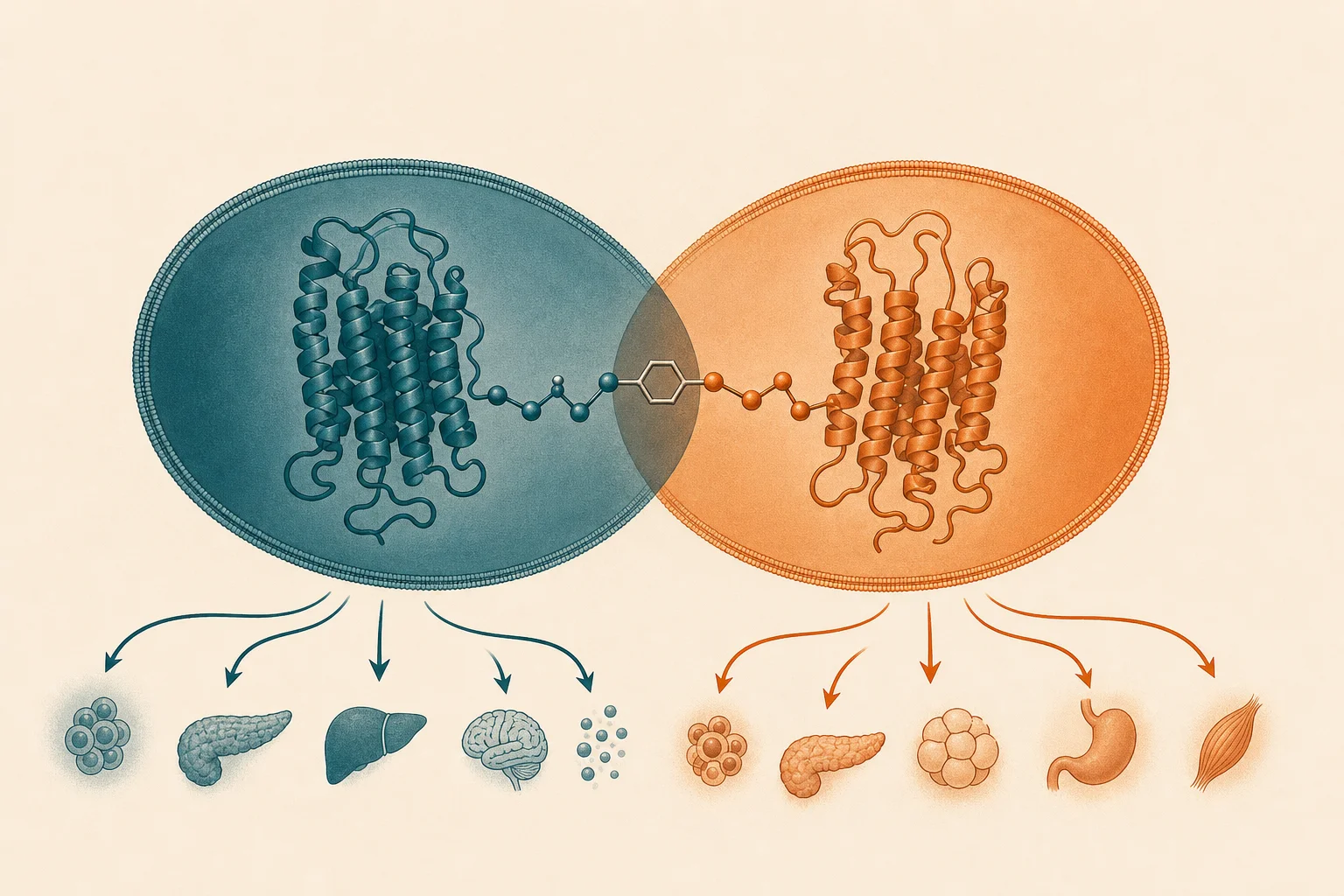
You have seen the trial numbers. You know tirzepatide produces more weight loss than semaglutide. But the more important question — especially if you are deciding between the two, or wondering why you responded differently than someone else — is why.
The answer is in the mechanism. Not because the science is interesting (it is), but because the mechanism directly predicts who will respond, who will plateau, and why switching drugs sometimes produces results that seem to come from nowhere.
What a GLP-1 drug does — the shared foundation
Both tirzepatide and semaglutide activate GLP-1 (glucagon-like peptide-1) receptors. Understanding what GLP-1 does is the baseline for understanding what tirzepatide adds on top of it.
GLP-1 is an incretin hormone — a hormone released by the gut after eating that signals the pancreas and brain that food has arrived. GLP-1 receptors are distributed across multiple organ systems: the endocrine pancreas, the stomach, the vagus nerve (which carries gut-brain signals), the heart, and regions of the central nervous system.
When a GLP-1 receptor agonist like semaglutide activates these receptors, several things happen simultaneously:
- Insulin secretion increases in response to elevated blood glucose (glucose-dependent, so hypoglycaemia is rare)
- Glucagon secretion falls, reducing the liver’s output of glucose into the bloodstream
- Gastric emptying slows, meaning food leaves the stomach more slowly, blunting post-meal glucose spikes and extending the physical sensation of fullness
- Appetite signals are sent to the brain via the vagus nerve, creating satiety and — for many patients — substantially reducing what the GLP-1 community calls “food noise”: the constant intrusive preoccupation with food and eating
This is a powerful and well-established mechanism. The STEP-1 trial showed semaglutide 2.4 mg produced −14.9% mean body weight change at 68 weeks. The mechanism works. The question is what tirzepatide adds.
What GIP adds — the differentiating layer
GIP (glucose-dependent insulinotropic polypeptide) is the other incretin. It is released by the small intestine after eating, particularly in response to fat and carbohydrate. It was historically considered less important than GLP-1 — early research suggested GIP’s effects were blunted in type 2 diabetes, leading to its relative neglect. That view has since been substantially revised.
The GIP receptor has a different anatomical distribution from GLP-1. It is expressed in:
- The hypothalamus — the brain region that regulates long-term energy balance, appetite, and body weight setpoint
- Adipose tissue (fat cells) — where GIP influences triglyceride storage and mobilisation
- Pancreatic beta cells — where it enhances insulin secretion synergistically with GLP-1
These three locations matter because they explain mechanisms that GLP-1 activation alone does not reach.
In adipose tissue: GIP specifically improves insulin sensitivity in fat cells and enhances triglyceride clearance — the process by which fat particles are removed from the bloodstream after meals. This reduces ectopic fat deposition, the process by which fat accumulates in organs like the liver where it causes metabolic harm. GLP-1 agonism does not directly produce these adipose tissue effects. Tirzepatide does.
In the hypothalamus: GIP receptor activation in the brain appears to suppress appetite through central mechanisms — distinct from the vagus nerve-mediated satiety signals that GLP-1 produces. This is the anatomical basis for what many patients describe as the qualitative difference between the two drugs.
Why some people’s hunger responds to tirzepatide but not semaglutide
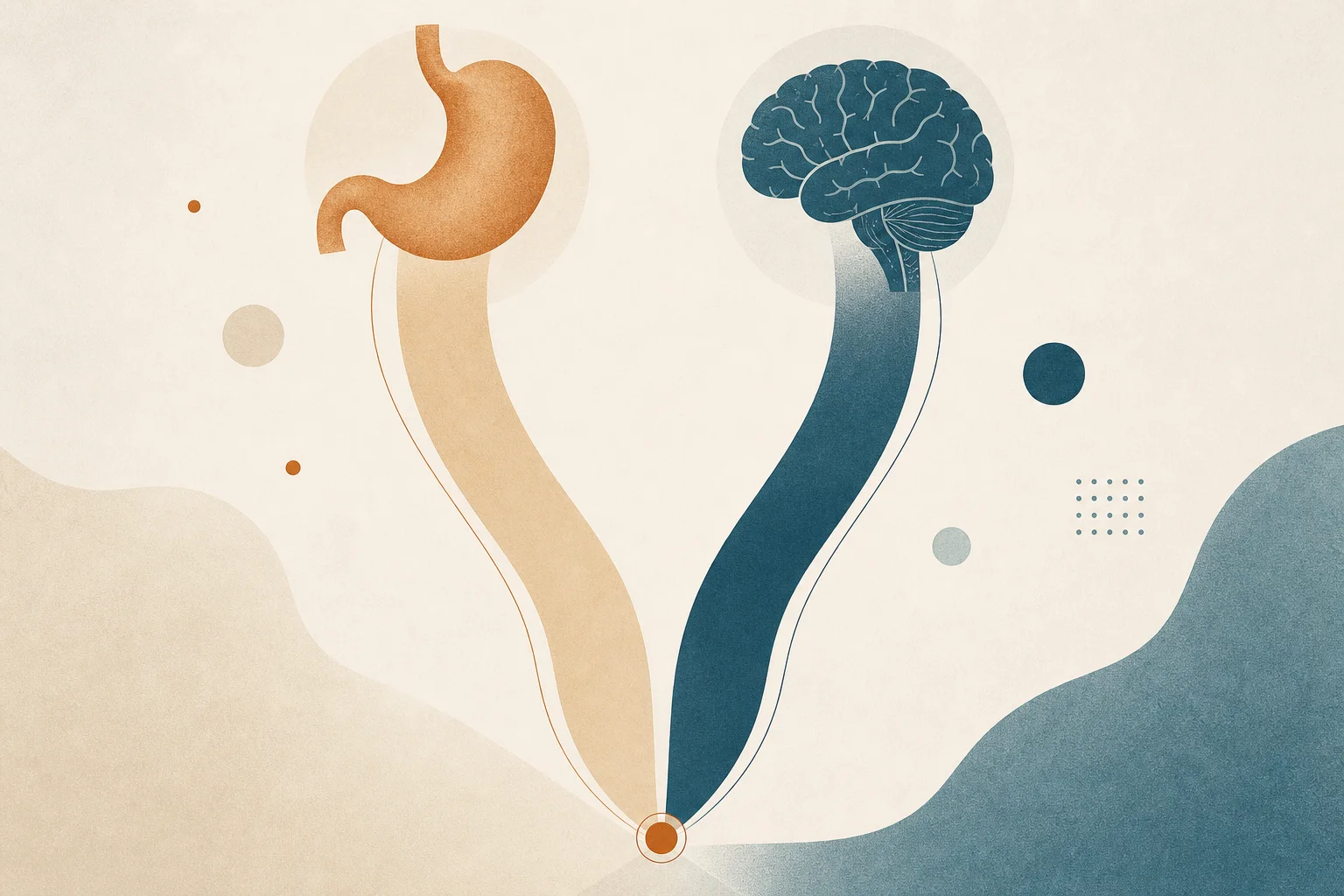
One of the most striking patterns in GLP-1 communities is the true non-responder who tries semaglutide for months, follows the dose escalation correctly, and experiences essentially no food noise relief and no meaningful weight loss — then switches to tirzepatide and reports the food noise disappearing within hours of the first dose.
The mechanistic explanation is becoming clearer. GLP-1’s primary appetite suppression route is gastric — it works substantially through slowing stomach emptying and the vagal signals that produces. This mechanism is highly effective for patients whose hunger is primarily driven by stomach emptying rates and gut-derived satiety signals.
Some patients, however, have appetite mechanisms that are primarily centrally regulated — driven by hypothalamic signalling rather than gastric signals. For those patients, GLP-1 activation may produce modest or no appetite change regardless of dose, because the mechanism they need is not the one being activated.
As one patient in r/Semaglutide described after switching: “They target different hunger pathways. Some people respond to stomach-based appetite suppression, and sema is perfect for them. My hunger lives in my brain, and tirzepatide shut it down instantly.”
This is not a unique experience. It is a reproducible pattern: sema non-responders (not people in the early weeks, but genuine three-to-four-month non-responders at appropriate doses) frequently find tirzepatide effective where semaglutide was not. The GIP-mediated hypothalamic pathway is the likely mechanism.
The plateau-breaking pattern works similarly. Patients who lose 40–50 lbs on semaglutide and then stall for months often resume losing when switched to tirzepatide. Adding GIP activation introduces a second mechanism — adipose tissue effects and central appetite regulation — that may overcome the adaptation ceiling of GLP-1-only stimulation.
The engineered imbalance: why “weaker” is actually stronger
Tirzepatide’s molecular design looks counterintuitive on paper. It binds the GIP receptor with the same affinity as native GIP but binds the GLP-1 receptor with approximately five times lower affinity than native GLP-1. Why design a GLP-1 drug that binds GLP-1 receptors more weakly?
The answer is in receptor biology, specifically the concept of “biased agonism.” When a receptor is activated, it can trigger multiple downstream signalling pathways simultaneously. For the GLP-1 receptor, the two most important are:
- cAMP generation — the pathway responsible for insulin secretion, glucagon suppression, and metabolic benefit
- β-arrestin recruitment — the pathway responsible for receptor internalisation and desensitisation (the receptor disappearing from the cell surface, reducing future responsiveness)
Native GLP-1 — and, by extension, pure GLP-1 agonists like semaglutide — activate both pathways simultaneously. Tirzepatide’s engineered binding at the GLP-1 receptor is biased toward cAMP generation and away from β-arrestin recruitment. The result: more useful metabolic signalling per receptor activation, with less desensitisation over time.
The lower GLP-1 receptor binding affinity is therefore not a weakness but an intentional design choice that improves the quality of GLP-1 receptor signalling. Combined with full-affinity GIP receptor activation, this produces the superior clinical outcomes seen in the SURMOUNT trials.
What the mechanism means in numbers
The synergistic effect of dual receptor activation is visible in the trial data:
- SURMOUNT-1 (72 weeks, maximum dose): tirzepatide −22.5% mean body weight change at 15 mg; −20.9% at 10 mg; −17.8% at 5 mg
- STEP-1 (68 weeks, semaglutide 2.4 mg): −14.9% mean body weight change
- SURMOUNT-5 head-to-head (72 weeks, maximum tolerated dose): tirzepatide −20.2% vs semaglutide −13.7%
These are population averages, and individual outcomes vary substantially. But the consistent 5–7 percentage point advantage across multiple trials and populations is the clinical fingerprint of the GIP-added mechanism. It is not noise; it is reproducible because the biology is real.
The mechanism also explains the dose-response curve. At 5 mg tirzepatide, some patients are getting meaningful GLP-1 receptor activation but limited GIP receptor engagement. As the dose increases to 10 mg and 15 mg, both receptor pathways are engaged more fully, and weight loss outcomes increase correspondingly — a pattern consistent with synergistic rather than additive receptor pharmacology.
What this means for clinical decisions
Understanding the mechanism has practical implications beyond curiosity:
If you are choosing between tirzepatide and semaglutide: The GIP mechanism is why the head-to-head data consistently favours tirzepatide. Both drugs address GLP-1-mediated hunger. Only tirzepatide adds hypothalamic and adipose-directed appetite suppression.
If you have tried semaglutide and it did not work: True non-response to semaglutide (after adequate dose escalation over 3+ months) is a meaningful signal that your appetite regulation may be primarily GIP-pathway-driven rather than GLP-1-gastric. Tirzepatide is mechanistically the appropriate alternative. Discuss this history explicitly with your prescriber — per their clinical judgment — so they can assess whether switching is appropriate for your situation.
If you have hit a plateau on semaglutide: A stall after significant initial weight loss may reflect GLP-1 pathway saturation rather than true drug failure. Adding GIP activation by switching to tirzepatide introduces a second mechanism. This is a common clinical pattern, not a rare edge case.
If you have type 2 diabetes and obesity: The dual mechanism is especially relevant. GIP is glucose-dependent, meaning it enhances insulin secretion only when blood glucose is elevated — the same safety profile as GLP-1. The combined activation produces exceptional A1c reduction alongside weight loss, which is why tirzepatide (Mounjaro) consistently outperforms other T2D medications in glycaemic control trials.
Clinical trial data is sourced from published literature; citations listed above. This article does not constitute medical advice. Drug selection and dosing decisions should be made with your prescribing provider based on your individual medical history, comorbidities, and treatment history.
Related: Best GLP-1 Drug for Weight Loss 2026 · Wegovy vs Zepbound · Tirzepatide Cash Price 2026
Frequently asked questions
What does 'dual agonist' mean in tirzepatide?
It means tirzepatide activates two different hormone receptors — the GLP-1 (glucagon-like peptide-1) receptor and the GIP (glucose-dependent insulinotropic polypeptide) receptor. Semaglutide only activates the GLP-1 receptor. Activating both produces synergistic effects on insulin secretion and weight loss that exceed what either receptor can deliver alone.
What does the GIP receptor do that GLP-1 doesn't?
GIP receptors are present in the hypothalamus (brain-level appetite regulation), adipose tissue, and pancreatic beta cells. GIP specifically improves triglyceride clearance and adipose tissue insulin sensitivity, reduces ectopic fat deposition, and appears to suppress appetite through central (brain) mechanisms. GLP-1 primarily works through the stomach (slowing gastric emptying) and the vagus nerve. The two pathways address hunger from different angles.
Why does tirzepatide produce more weight loss than semaglutide?
The dual mechanism is additive and synergistic. Research shows that co-activating GLP-1 and GIP receptors produces significantly more insulin secretion and more glucagon suppression than activating either receptor alone. The GIP-specific effects on adipose tissue and central appetite regulation add a second weight-loss mechanism on top of the GLP-1 effects semaglutide provides.
What does 'imbalanced agonist' mean — is that a problem?
No, it is a feature. Tirzepatide binds GIP receptors with the same affinity as native GIP, but binds GLP-1 receptors with about five times lower affinity than native GLP-1. Rather than simply being a weaker GLP-1, this imbalance is engineered to bias GLP-1 receptor signalling toward cAMP generation (the beneficial metabolic pathway) over beta-arrestin recruitment (which drives receptor internalization and desensitisation). The result is more efficient GLP-1 signalling per receptor activation.
Why do some people respond to tirzepatide after semaglutide stopped working?
The two drugs address different appetite-regulation pathways. Semaglutide's primary mechanism is gastric emptying — it suppresses appetite largely through stomach fullness signals. Tirzepatide adds GIP-mediated suppression through the hypothalamus, which regulates brain-level hunger and food noise. Some patients have appetite mechanisms primarily driven by central (brain) pathways rather than gastric signals — those patients may not respond to semaglutide but respond strongly to tirzepatide. A plateau on semaglutide may also reflect GLP-1 pathway saturation; adding GIP activation via tirzepatide can break the plateau.
Does tirzepatide affect fat tissue differently than semaglutide?
Yes. GIP receptors are expressed in adipose tissue, where GIP improves insulin sensitivity, enhances triglyceride clearance, and may reduce ectopic fat deposition (fat accumulating in organs where it shouldn't, such as the liver). These effects are independent of GLP-1 receptor activation. Semaglutide, as a GLP-1-only agonist, does not produce the direct adipose tissue effects that tirzepatide's GIP component adds.
Does tirzepatide have the same side effects as semaglutide?
The side effect profiles overlap substantially. Both drugs most commonly cause nausea, diarrhoea, constipation, and vomiting during dose escalation. Both carry the same FDA black-box warning regarding thyroid C-cell tumours (from rodent data) and the same precautions around pancreatitis and gallbladder disease. Individual tolerability differs — some patients who experience intolerable GI effects on one formulation tolerate the other better. Discuss your full medical history with your prescriber.
Is the GIP receptor the reason tirzepatide helps with type 2 diabetes?
Partly. GIP is glucose-dependent, meaning it enhances insulin secretion only when blood glucose is elevated — this helps control post-meal glucose spikes without causing hypoglycaemia at normal blood sugar levels. The combined GLP-1 + GIP activation provides exceptionally strong glycaemic control, which is why tirzepatide (Mounjaro) consistently outperforms other T2D medications on A1c reduction in trial data. The weight loss from both mechanisms adds an indirect metabolic benefit.